Why it suits Darlington
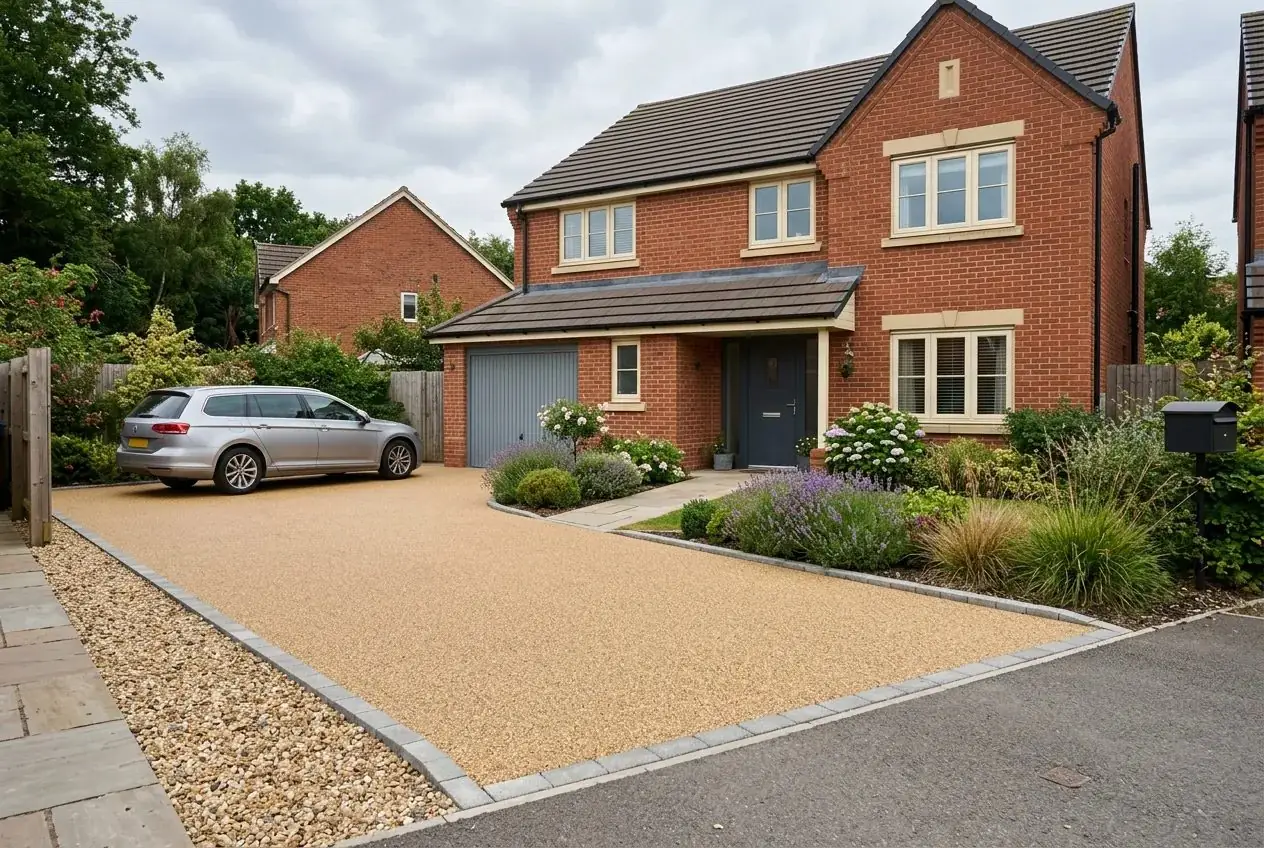
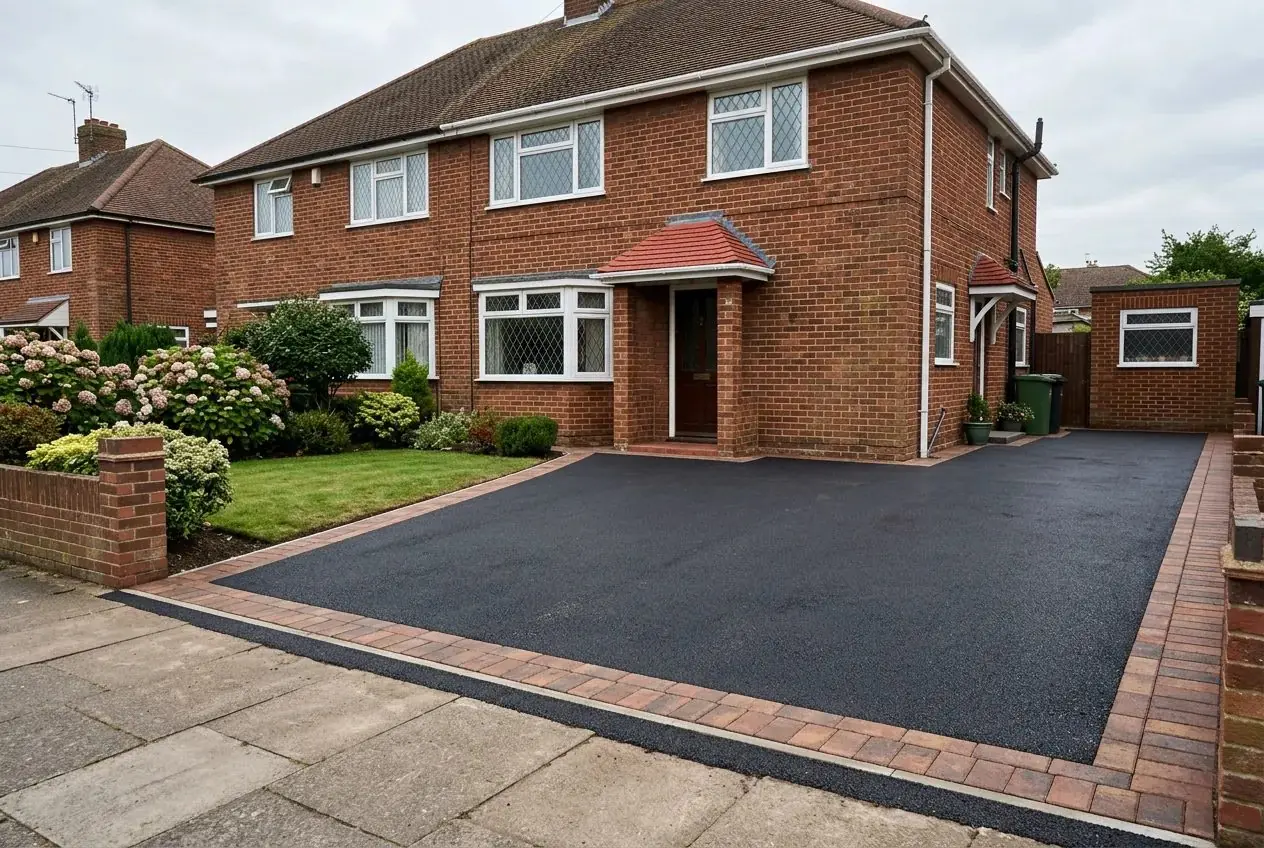
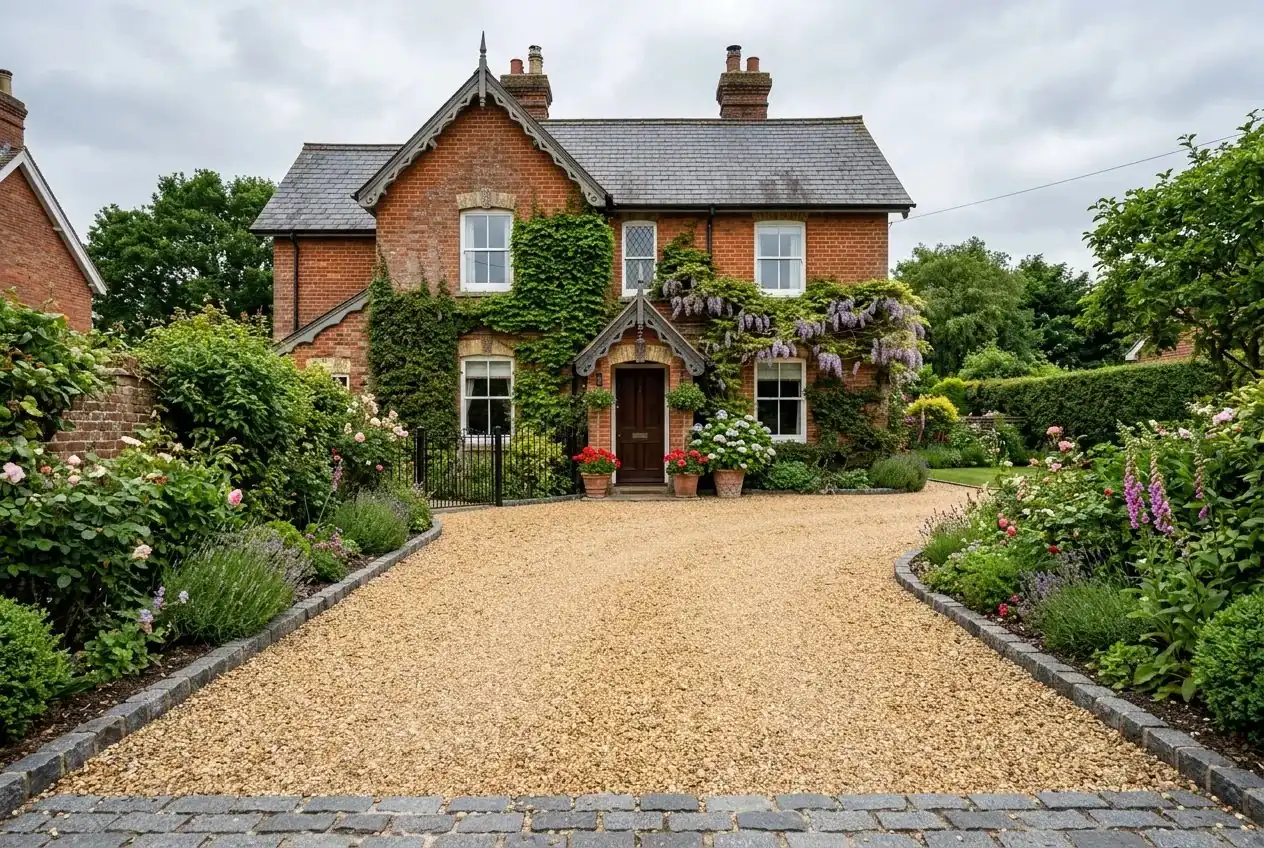
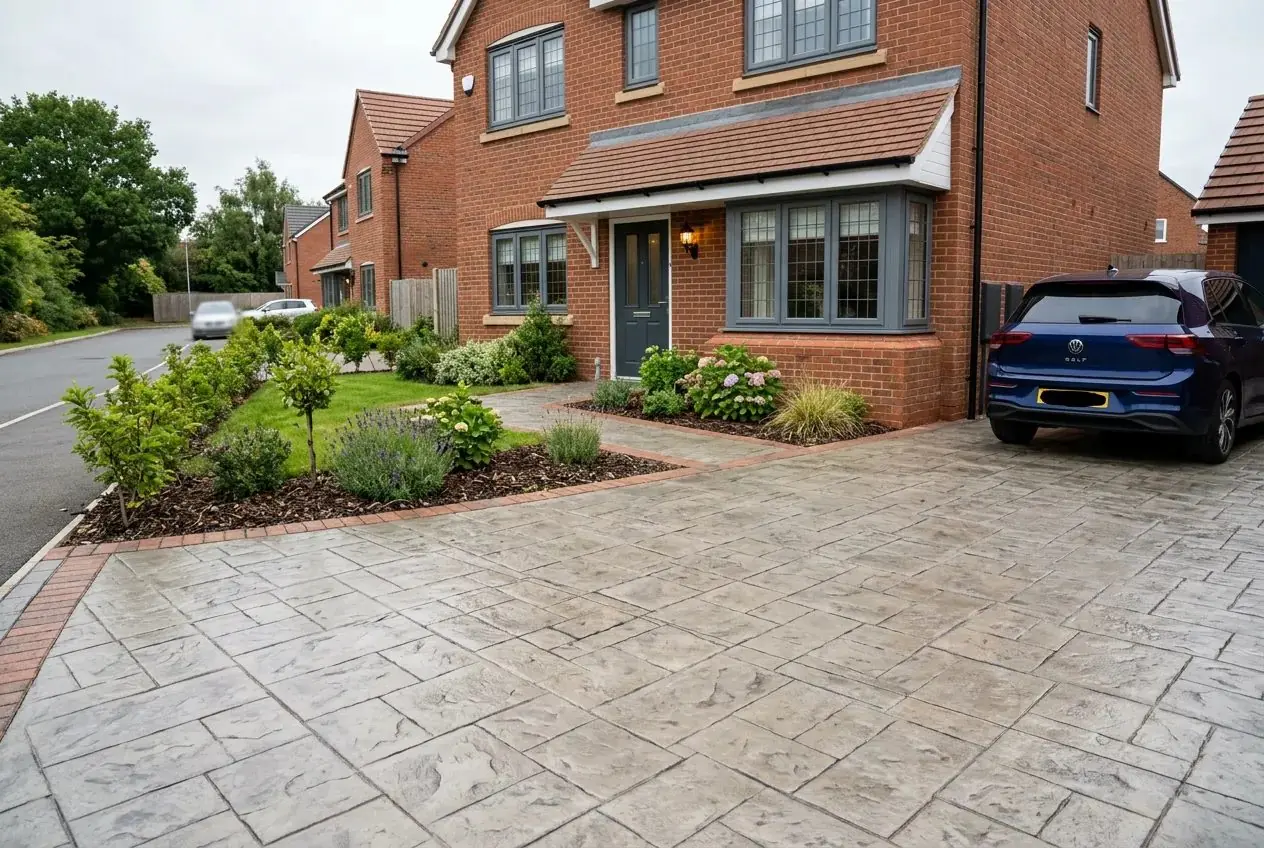
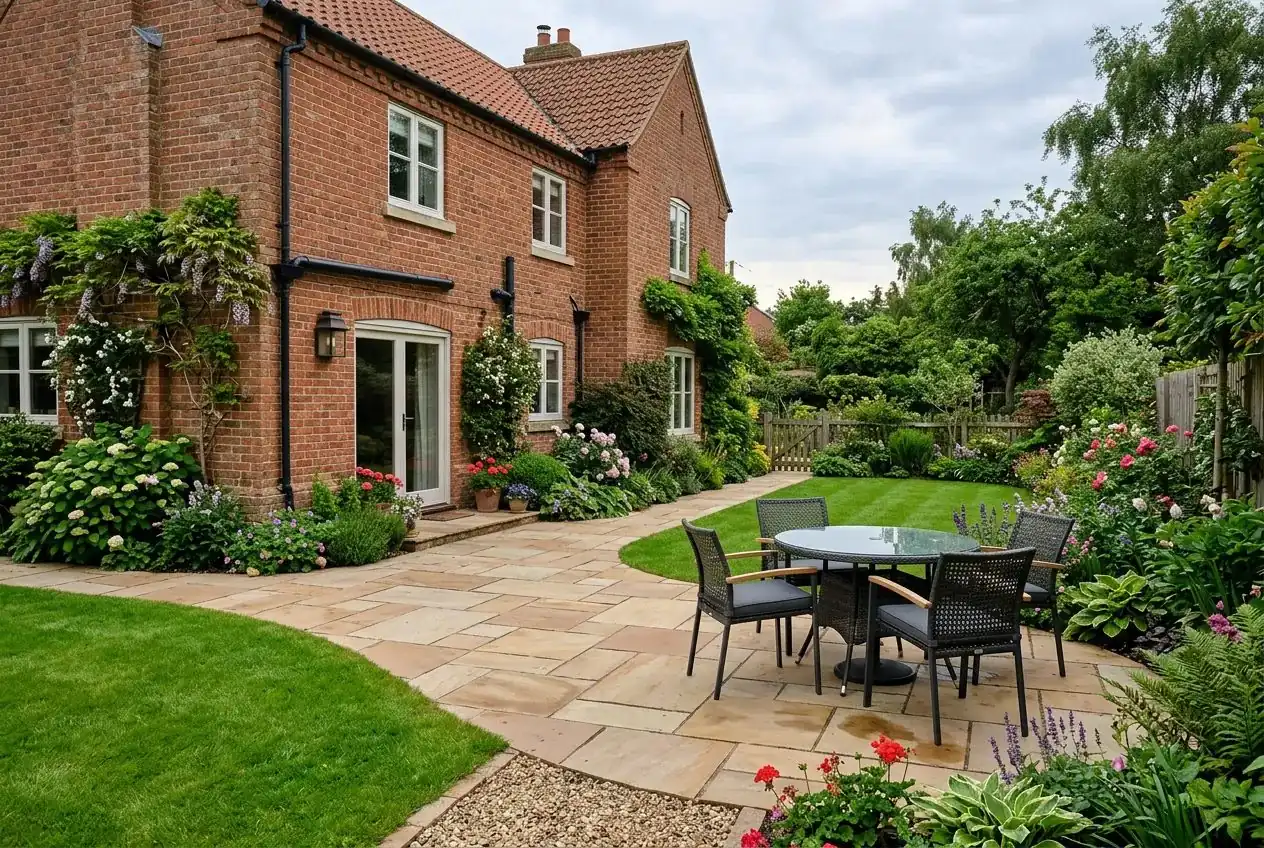
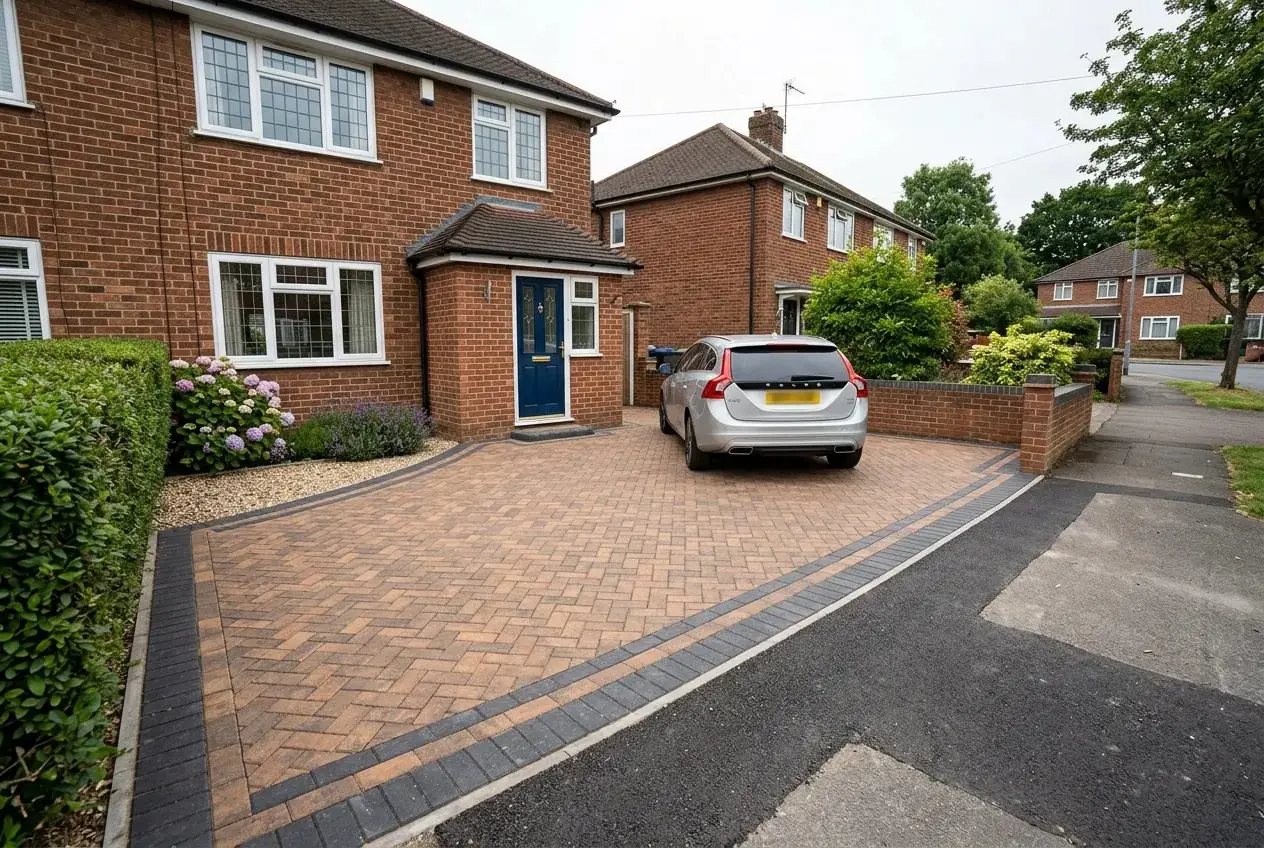
Darlington is a brick town. Brindle, buff and red blends sit naturally in front of a West End terrace or a Cockerton semi, while charcoal and grey suit the newer houses at Whinfield and Faverdale. Because the colours and patterns are almost endless, we can match a drive to the house rather than the other way round, and add a contrasting border to frame it.
Patterns
- Herringbone, at 45 or 90 degrees, locks the blocks together best and copes with cars turning. It is our default for drives.
- Stretcher bond is clean and simple and works on straight runs.
- Basketweave and mixed-size patterns suit patios and paths more than drives.
- Tumbled or sett-style blocks give an older, softer look that suits period houses.
How we build it
Paving fails from the bottom up. On Darlington's clay we dig to firm ground, lay a geotextile membrane where the clay is soft, and build a crushed-stone sub-base in compacted layers. The edging is set in concrete so it cannot creep outwards. Then comes a screeded sand bed, the blocks, a plate compactor to bed them in, and kiln-dried sand vibrated into the joints. We lay the drive to fall away from the house towards a border, a drain or a channel.
Your quote sets out the depth of dig and the base, so you can compare it fairly with others.
Permeable block paving
Standard blocks are treated as an impermeable surface. If more than five square metres of front garden drains onto the road, that needs planning permission. Permeable block paving has wider joints filled with fine grit and an open-graded stone base, so rain soaks through to the ground below. It looks almost the same and avoids the question altogether.
Looking after it
Brush the joints and top up the sand now and then, pull any weeds before they root, and the surface stays tight. A pressure wash and a sealer every few years keep the colour. If a block is damaged, or a utility company needs to dig, the blocks lift out and go back without a visible repair.
Questions people ask
Will block paving suit a brick terrace?
Yes. Tumbled or sett-style blocks in brindle or buff suit Victorian and Edwardian brick far better than flat grey surfaces.
Why does block paving sink?
Almost always because the base was too thin or the edging was not fixed. A deep, compacted base and concrete-backed edging stop it.
Do I need planning permission?
Not if you use permeable blocks or drain the drive to a lawn or border. A dropped kerb always needs council approval.