The five square metre rule
Since October 2008, householders in England have not needed planning permission to pave a front garden as long as the new surface is permeable, or rainwater from it runs to a lawn or border inside the property. If you lay more than five square metres of impermeable surface that drains onto the road, you need planning permission. The rule exists because paved-over front gardens send rainwater straight into drains and add to surface-water flooding.
Surfaces that avoid it
- Gravel, which is free-draining.
- Resin bound surfacing on a porous base.
- Permeable block paving, with open joints and a free-draining base.
- Porous tarmac or concrete laid for the purpose.
- Any surface at all, if it is laid to drain into a lawn, border or soakaway on your land.
Resin bonded surfacing, where stones are scattered on top of resin, is not permeable. Only resin bound counts.
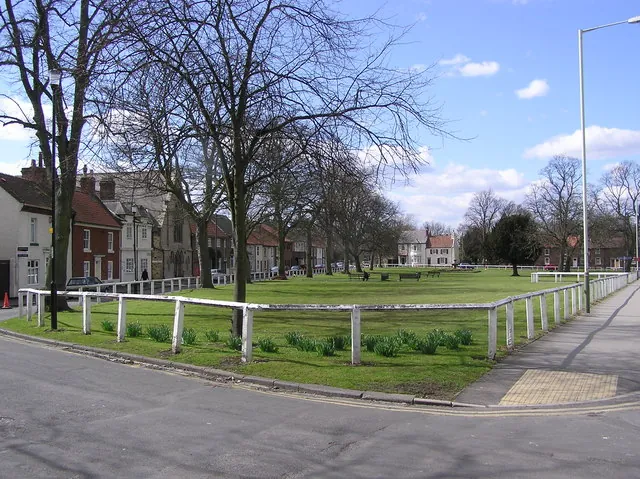
Back and side gardens
The rule applies to front gardens. Paving in back and side gardens is generally permitted development without the five square metre limit, though you are still responsible for where the water goes.
Conservation areas and listed buildings
Darlington has several conservation areas where a drive is likely to come up, including the West End, Cockerton Village, Haughton-le-Skerne, Hurworth, Heighington and Middleton One Row. The five square metre rule applies there as well, but changes visible from the street, such as removing a front wall, get closer attention. Some places have Article 4 directions that remove permitted development rights. If your house is listed, work affecting the building, its boundary or its setting may need listed building consent.
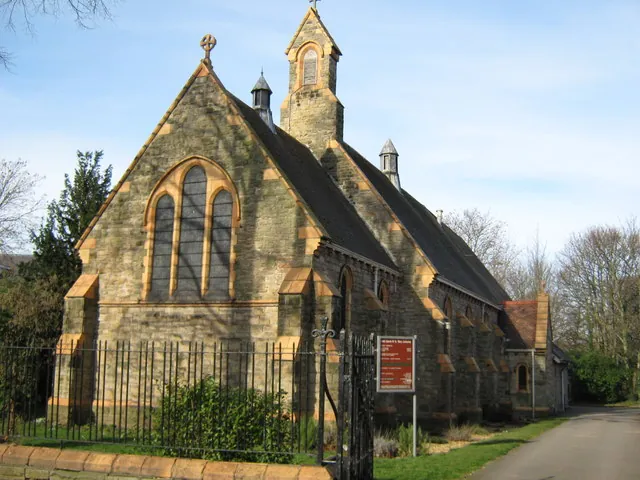
The dropped kerb
Driving across a pavement or verge needs an approved vehicle crossing. Darlington Borough Council offers two routes. It can do the work itself, after a site meeting and an estimate. Or your contractor can do it under a Section 184 licence, building to the council's design, holding five million pounds of public liability insurance, and signing and guarding the works properly. Either way there are council fees, listed on its vehicle accesses page.
The council says a licence can take up to ten weeks, and council-built crossings can take up to four months because it has to check for underground pipes and cables. Planning permission may also be needed if your road is a classified road.
Why crossings get turned down
The council's form lists the most common reasons: a highway tree, lamp column or telegraph pole too close; a junction nearby; a slope steep enough to ground a car; or not enough room to park inside the property. If your garden is short, check that a car will fit fully inside the boundary before you apply.
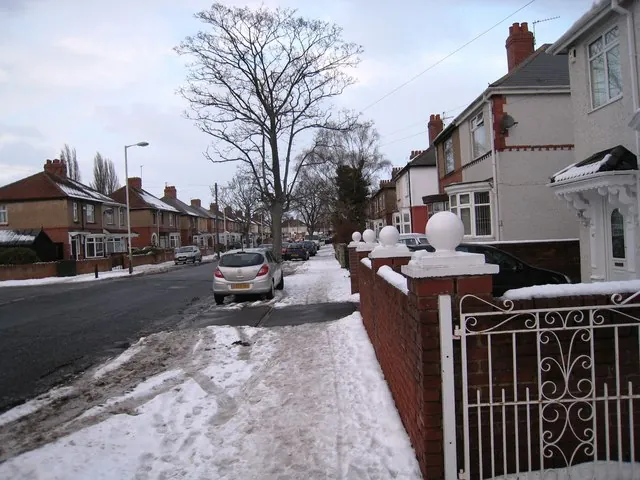
A sensible order
Pick a surface first, since a permeable one removes most planning questions. Apply for the crossing early, because it is the longest wait. Then book the work.
Questions people ask
Can I pave my whole front garden?
Yes, with a permeable surface, or with any surface if it drains to a lawn, border or soakaway on your land.
Who approves dropped kerbs in Darlington?
Darlington Borough Council, either by building the crossing or by licensing a contractor under Section 184.
Does a conservation area stop me having a drive?
No, but materials and boundary walls matter more, and some areas have Article 4 directions. Check with the council if in doubt.
Sources: GOV.UK: permeable surfacing of front gardens; Darlington Borough Council: vehicle accesses; Darlington Borough Council: Section 184 application form; planning.data.gov.uk: conservation areas.