Looks
Block paving gives the most choice: dozens of colours, several patterns and borders in contrasting blocks. It suits brick houses of every age, from a West End terrace to a new semi in Faverdale. Resin bound has a smooth, even finish in natural stone colours and looks crisp on modern houses and modernised older ones. Tarmac is plain and practical; a border of blocks or setts lifts it considerably.
Drainage
Resin bound laid on a porous base lets water straight through, so it avoids the front-garden planning rule. Standard block paving and tarmac shed water, so on a front drive they need to drain to a lawn, border or soakaway, or be laid as permeable block paving or porous tarmac.
Upkeep
- Resin bound: sweep and wash to keep the pores clear. No joints, so weeds have nowhere to root.
- Block paving: brush and re-sand the joints now and then, pull weeds early, and reseal every few years if you want to keep the colour.
- Tarmac: sweep and wash. It softens a little in hot weather when new.
Repairs
Block paving wins here. Damaged blocks lift out and go back without a visible patch, which also helps when a utility company needs to dig. Resin and tarmac repairs are possible but rarely invisible.
Laying over an old drive
Resin bound and tarmac can both go over a sound existing base, which saves digging out. Block paving needs its own sand bed and is normally laid on a fresh base.
Which houses suit which
- Victorian and Edwardian terraces: tumbled or sett-style block paving.
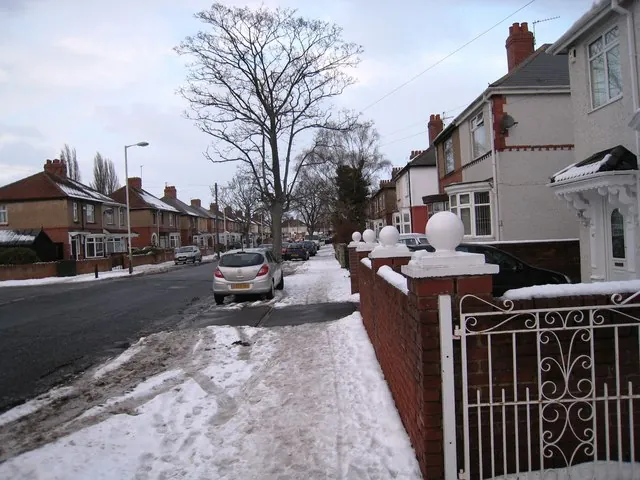
- Interwar and post-war semis: brindle or charcoal block paving, or tarmac with a block edge.
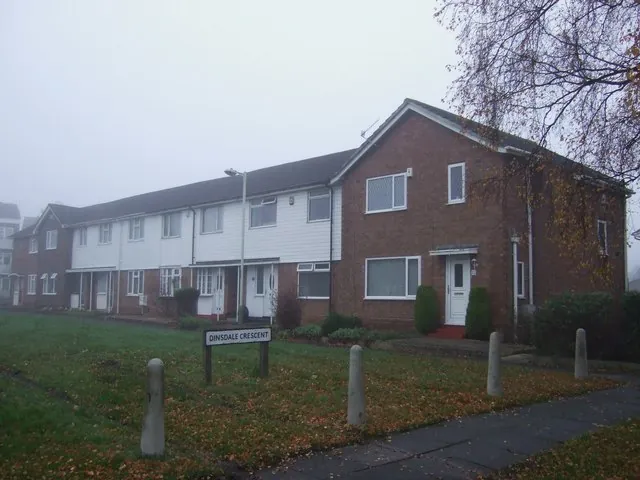
- 1970s to 1990s estates and new builds: resin bound, or grey and charcoal block paving.
- Long village drives: tarmac with a sett edge, or gravel in a grid.
The base matters more than the surface
Whatever you choose, the drive will only last if the base under it is deep enough for the ground and the edging cannot move. On Darlington's clay that is the most important part of the job.
Questions people ask
Which surface lasts longest?
All three last for many years when the base is right. Block paving is the easiest to keep going because sections can be relaid.
Which is easiest to look after?
Resin bound, because there are no joints. Tarmac comes a close second.
Which avoids planning permission?
Resin bound on a porous base. Block paving and tarmac can too if they are permeable or drain to a border.